Notes on getting published

Six steps from clinical question to accepted paper
How a study actually reaches acceptance: the six steps, what you do at each one, and what Cohira does.
Read the article →
What a feasibility note tells you before you spend a dollar
The three questions a good feasibility note answers, and why every Cohira project starts with one at no cost.
Read the article →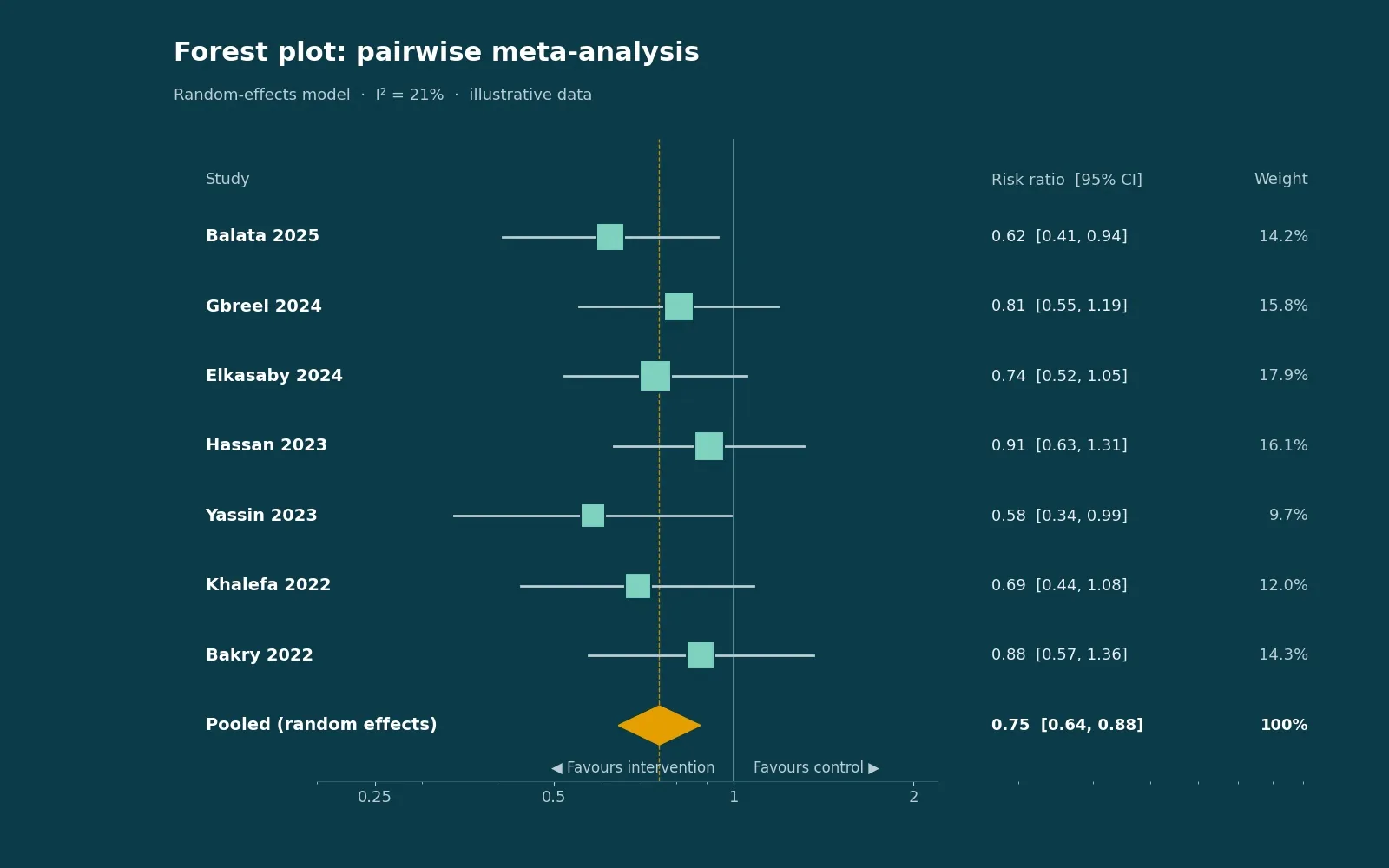
How a meta-analysis turns ten conflicting trials into one answer
What pooling actually does, what a forest plot shows, and when a network meta-analysis is the better tool.
Read the article →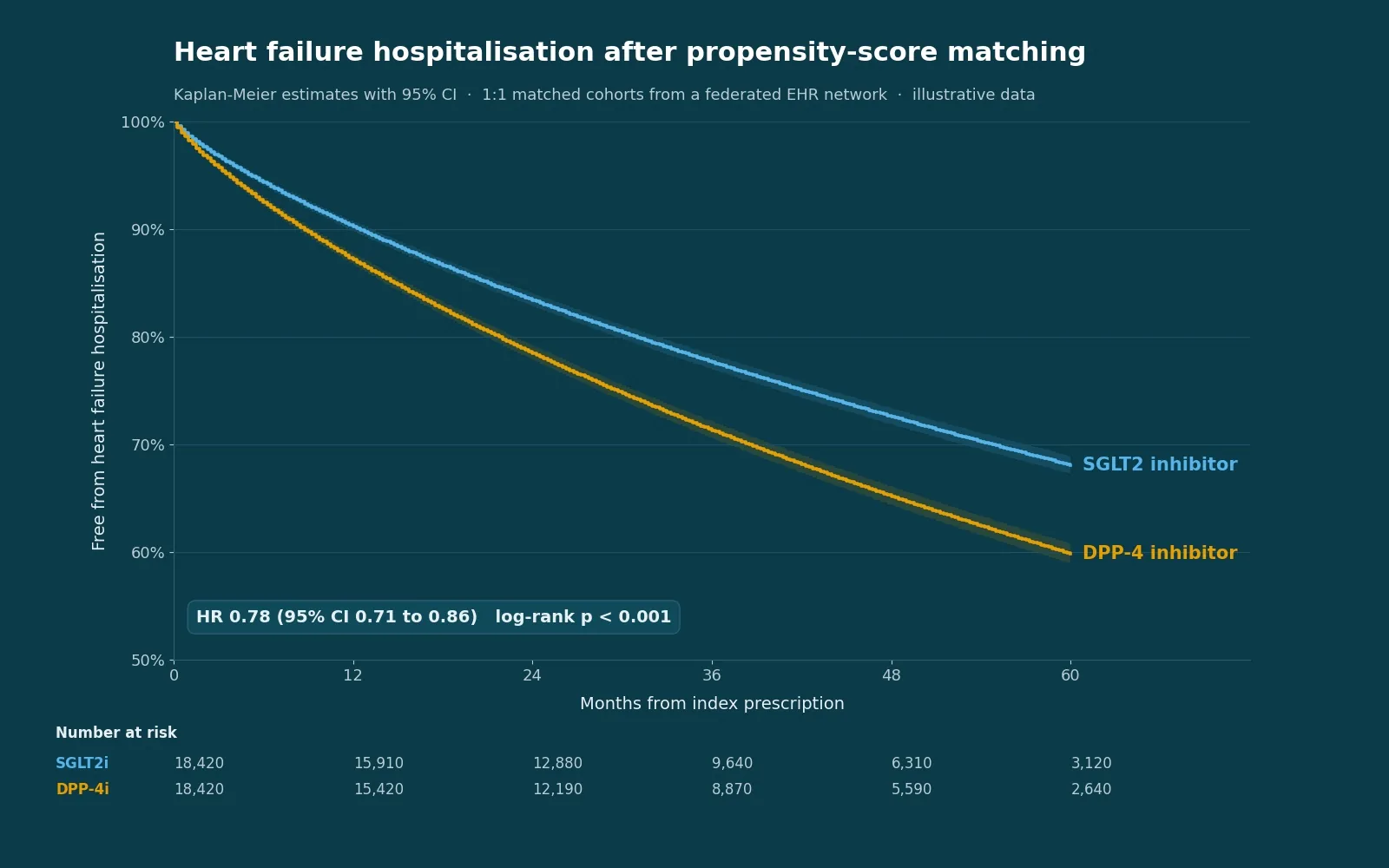
What real-world EHR studies can and cannot answer
Federated networks like TriNetX hold records of 100M+ patients.
Read the article →
NIS or NRD: which US inpatient database fits your question
Both come from the same US hospital data programme.
Read the article →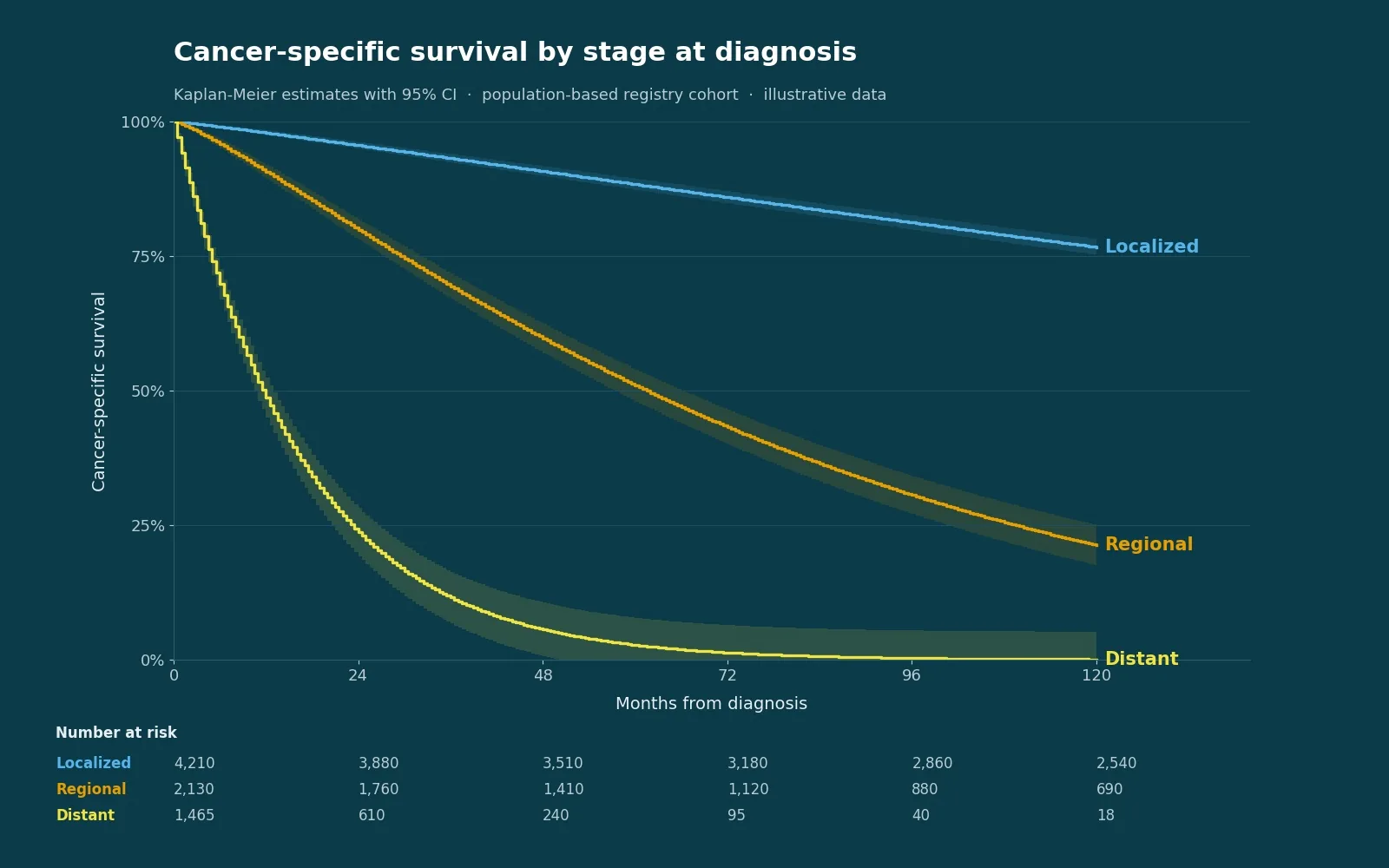
Survival analysis from cancer registries, explained
Kaplan-Meier curves, competing risks, and nomograms: what registry follow-up data supports, using SEER as the example.
Read the article →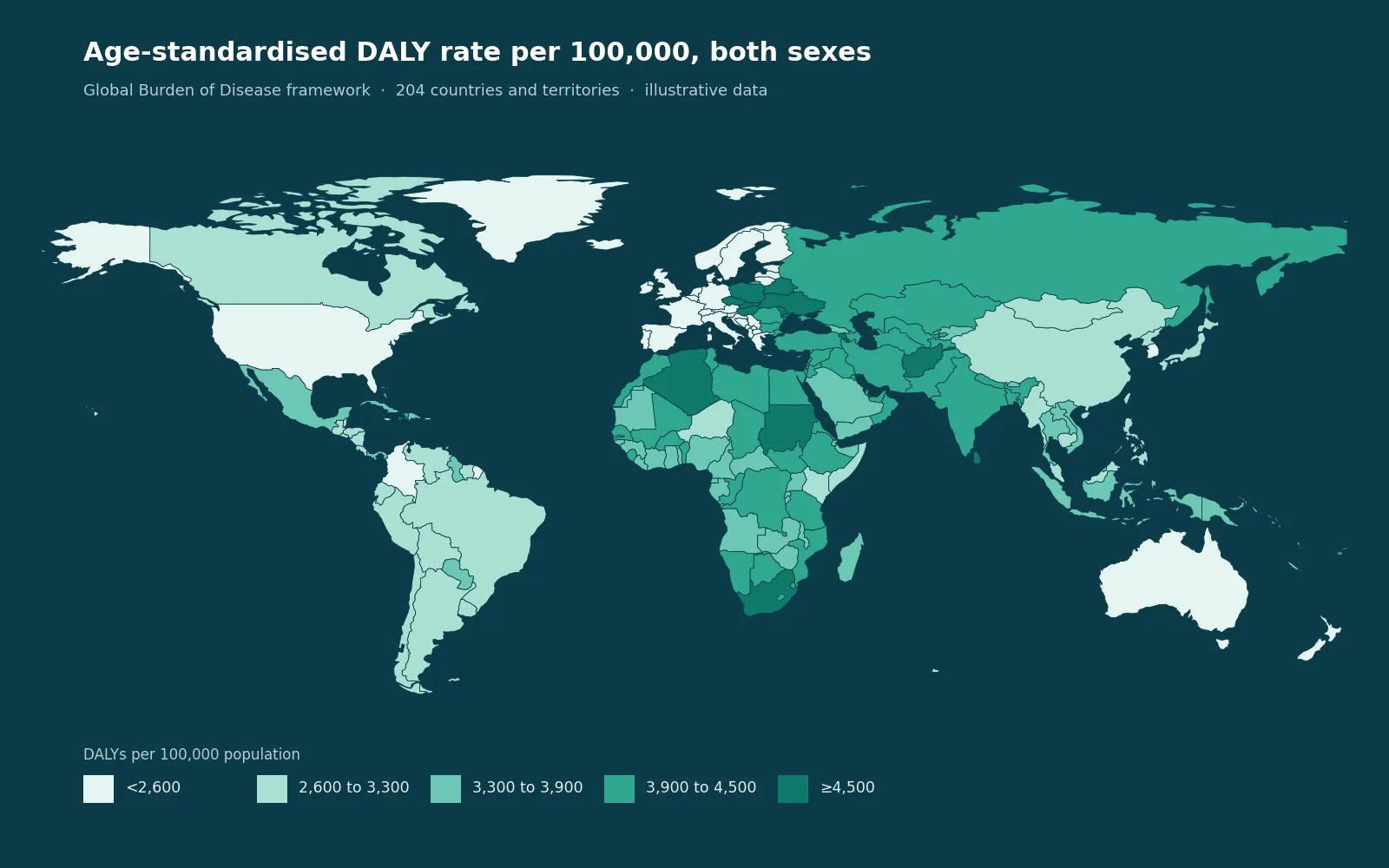
Incidence, prevalence, DALYs: reading GBD numbers correctly
The Global Burden of Disease study quantifies every major disease for every country since 1990.
Read the article →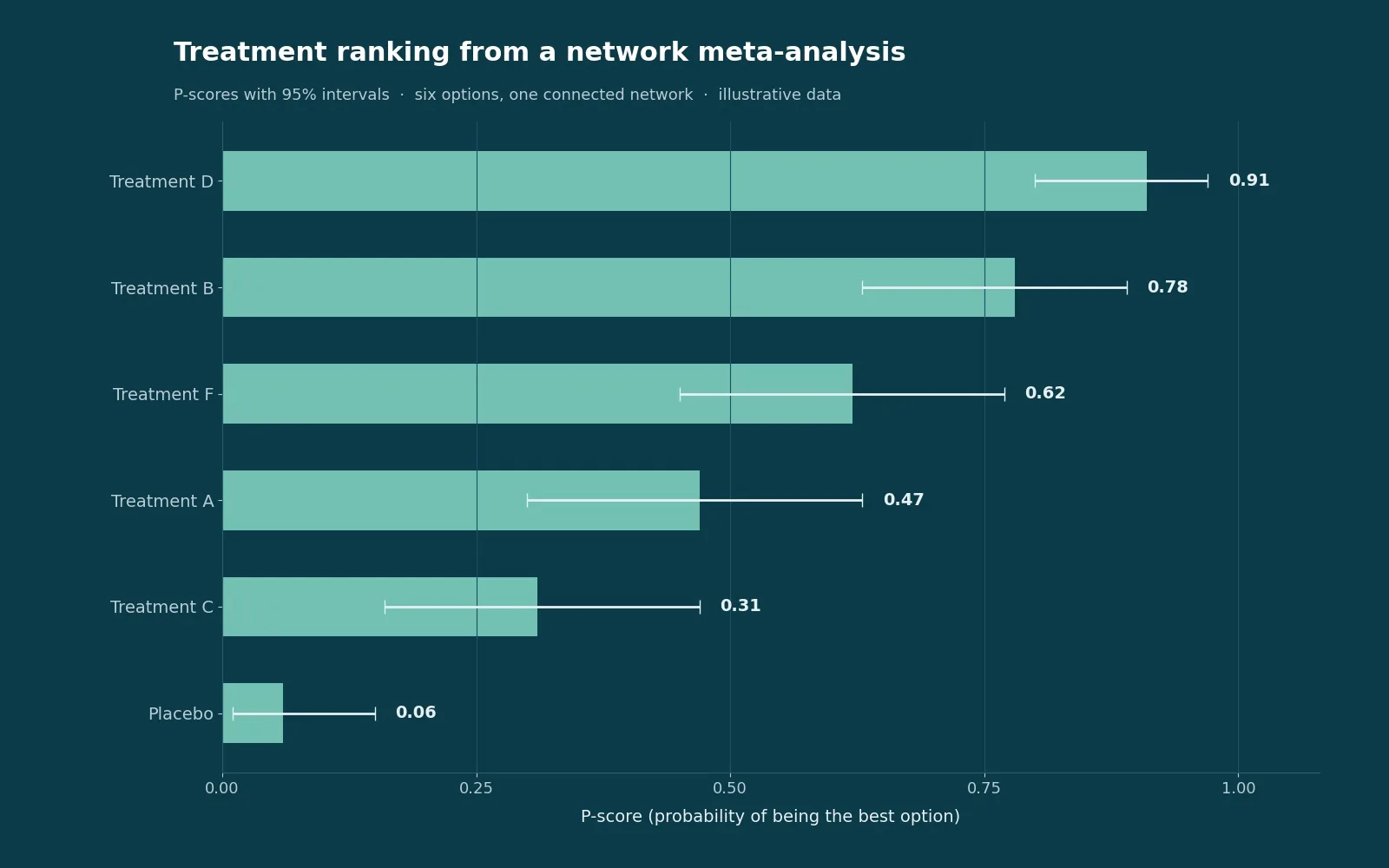
Ranking treatments that were never compared head-to-head
How network meta-analysis borrows strength across trials, and what a ranking really promises.
Read the article →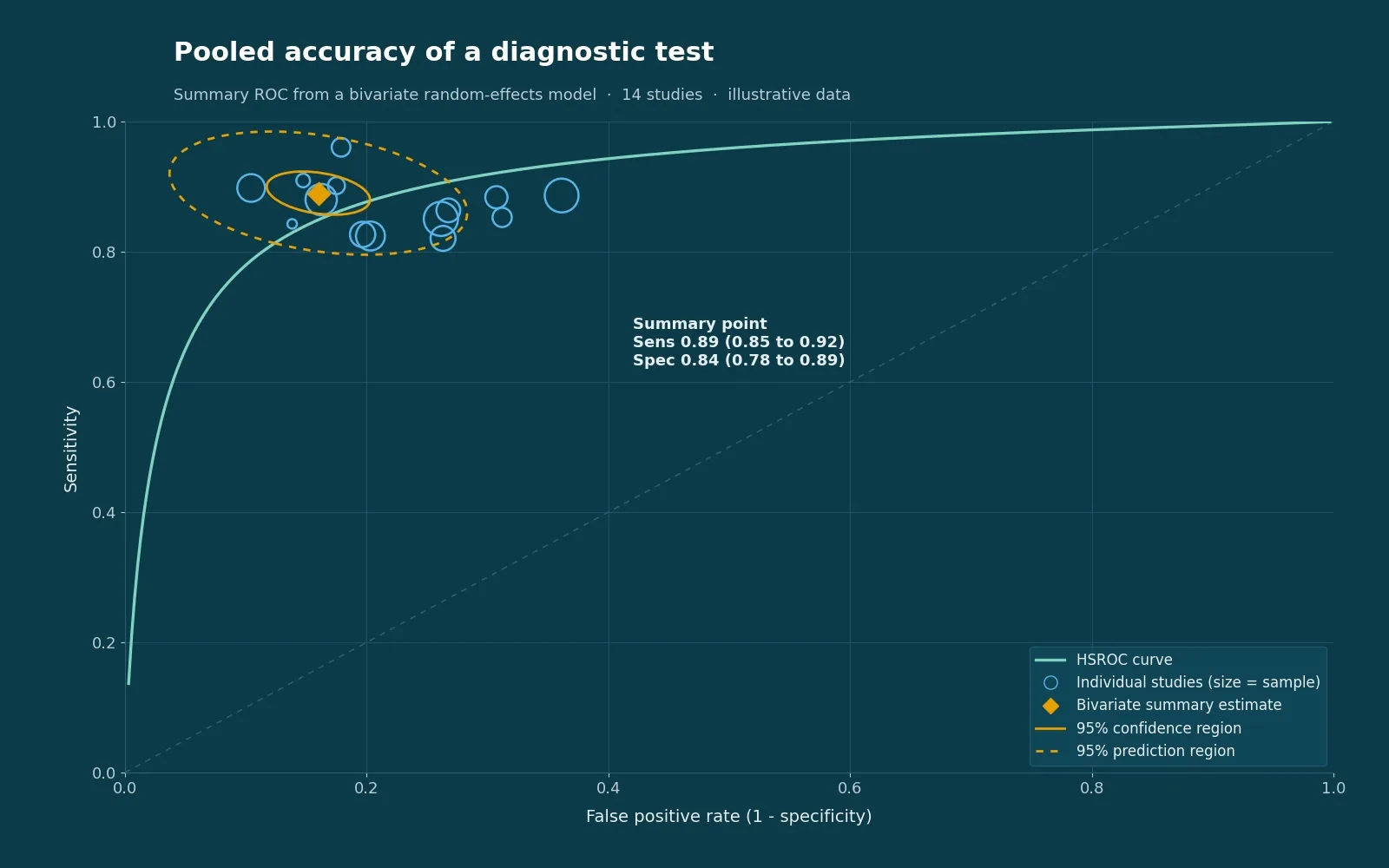
Why pooling sensitivity alone gets diagnostic tests wrong
Sensitivity and specificity move together.
Read the article →
The sample size question, answered before it hurts
Underpowered studies waste money and end as rejection letters.
Read the article →
A rejection letter is data. Here is how to use it
Most published papers were rejected somewhere first.
Read the article →Authorship done right: what ICMJE actually requires
Four criteria decide who is an author.
Read the article →